

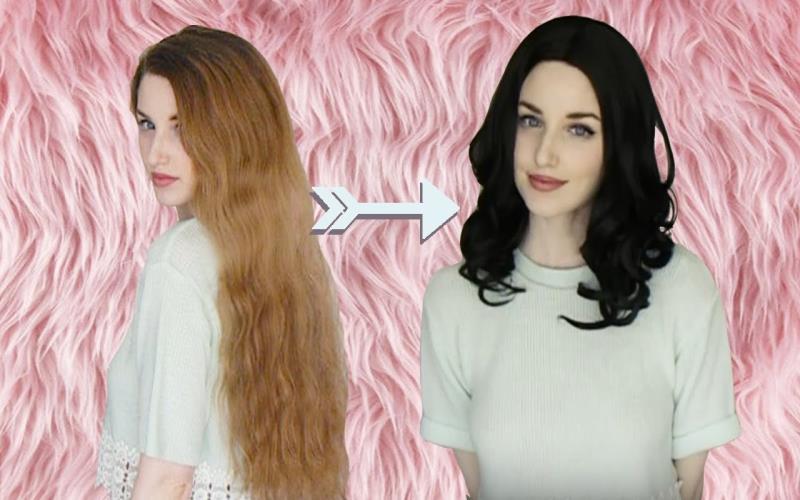
Wigs offer a world of versatility, allowing you to change your style, color, and even hair length without any commitment. But if you have how to wear a wig with long hair, creating a seamless look can be a bit challenging, requiring some planning and technique. However, with a few expert tips, wearing a wig over long hair can be as easy and natural-looking as possible. Here’s a detailed guide to help you wear a wig with long hair effortlessly.
1. Preparing Your how to wear a wig with long hair
The first step in wearing a wig with how to wear a wig with long hair is properly preparing your natural hair. This involves minimizing bulk and securing your hair in a way that keeps it comfortable and flat under the wig.
a) Choose Your Braid or Bun Style
There are a few different ways to style long hair under a wig, depending on your hair thickness and the fit of the wig. The goal is to make your hair as flat as possible against your head, so it doesn’t create unnatural volume under the wig.
- Double French Braids: This is one of the most popular ways to secure how to wear a wig with long hair under a wig. French braiding your hair into two sections distributes your hair’s thickness evenly and reduces the chance of lumps.
- Flat Twists: Similar to braids but easier and quicker to do, flat twists work well for slightly shorter long hair or thinner hair, keeping it close to the scalp.
- Low Buns or Twists: For those with thick or extra-long hair, two low buns or twists at the nape of the neck work great for reducing bulk. Secure them with pins rather than hair ties to avoid unnecessary pressure.
b) Securing with Pins
Use flat, small bobby pins or hairpins to hold your braids, twists, or buns in place. Avoid large pins that might create lumps or discomfort, and ensure the pins sit flat against your scalp. Pins with a strong hold will prevent any slipping as you move throughout the day.
c) Wearing a Wig Cap
A wig cap is an essential tool when wearing a wig over how to wear a wig with long hair. It holds your hair in place, prevents slipping, and helps keep your natural hair flat against your scalp.
- Choose the Right Cap Type: There are different types of wig caps, such as nylon, mesh, and cotton. For how to wear a wig with long hair, a nylon or mesh cap tends to work best as they’re stretchable, breathable, and effectively hold your hair in place.
- Put on the Cap Correctly: Start from the front of your hairline, stretch it over the top of your head, and tuck in any loose strands at the back. Secure the cap with a few small bobby pins for added hold if necessary.
2. Putting On Your Wig Over how to wear a wig with long hair
Once your natural hair is properly prepped, it’s time to put on the wig. Follow these steps for a secure, comfortable fit.
a) Positioning the Wig Correctly
- Align the Wig Properly: Begin by positioning the front of the wig where you want your hairline to be. It’s best to start slightly above your natural hairline to give a natural appearance.
- Adjust the Back of the Wig: Once the front is in place, pull the wig down over the back of your head and secure it snugly. Most wigs have adjustable straps at the back that you can tighten to prevent the wig from moving throughout the day.
b) Securing the Wig
- Use Wig Clips or Combs: Many wigs come with built-in clips or combs that you can secure into your hair or wig cap to prevent the wig from shifting. Simply slide the combs into the cap and your braids or buns for added hold.
- Add Wig Tape or Adhesive: If you’re looking for extra security, especially for longer wear, you can use wig tape or adhesive along the hairline. This will keep the wig firmly in place and help achieve a natural, seamless look.
c) Blend the Hairline
One of the key elements of a natural-looking wig is a well-blended hairline. If your wig has a lace front, trim the lace carefully along your natural hairline and use wig glue or tape to secure it to your forehead. Gently press down to eliminate any gaps between your skin and the wig.
3. Styling Tips for a Seamless Look
Once your wig is secured over your long hair, it’s time to make sure it looks as natural as possible.
a) Adjust the Parting
- Match Your Natural Parting: To create a natural look, position the wig’s parting to match your natural part as closely as possible. This can make the wig look more authentic and reduce the chances of revealing your natural hair underneath.
- Create a New Part if Necessary: Many wigs allow you to create a new part if the existing one doesn’t match your style. For lace-front wigs, use a comb to carefully create a new parting that aligns with your preference.
b) Add Baby Hairs
- Create Baby Hairs on the Wig: For a realistic touch, you can add baby hairs along the hairline by carefully pulling out a few fine strands and trimming them to a short length.
- Blend with Your Own Baby Hairs: If your natural hairline has baby hairs, you can blend them with the wig’s hairline to create a seamless transition. This works well if the wig matches your natural hair color.
c) Use Hair Accessories
Adding a headband, scarf, or hair clips can enhance the natural appearance of your wig and help secure it further. These accessories are also useful for concealing any edges where the wig and your natural hair meet.
4. Maintaining Comfort and Security Throughout the Day
With long hair tucked under a wig, it’s essential to ensure comfort and prevent the wig from shifting.
a) Adjust Throughout the Day
Even with all the best securing techniques, you may need to adjust your wig slightly throughout the day, especially if it’s hot or you’re active. Check the hairline occasionally to ensure it’s lying flat.
b) how to wear a wig with long hair
Long hair under a wig can cause some pressure, so you’ll want to choose a lightweight wig to minimize bulk. Spraying a small amount of anti-itch spray on your scalp before putting on the wig cap can also help reduce irritation.
c) Opt for a High-Quality Wig Cap and Wig
Investing in a high-quality wig cap and a breathable, well-fitted wig can make a significant difference in your comfort level. A good cap will reduce slippage and help maintain the shape of the wig, while a lightweight wig won’t put too much strain on your head.
5. Removing Your Wig and Caring for Long Hair
After a day of wearing your wig, it’s important to remove it carefully and tend to your natural hair to keep it healthy.
a) Remove Gently
Undo any clips, pins, or adhesive used to secure the wig, then gently lift it off from the back to avoid tugging on your natural hair.
b) Undo Braids or Buns Carefully
After removing the wig cap, undo any braids or buns in sections, being careful not to pull or damage your natural hair.
c) Moisturize and Protect Your Hair
Long hair can get dehydrated under a wig. After taking off the wig and cap, apply a leave-in conditioner or hair oil to your hair to replenish moisture. If you’re frequently wearing wigs, regularly wash and deep-condition your hair to keep it strong and healthy.
Conclusion
Wearing a wig with long hair is all about strategic preparation and thoughtful styling. By braiding or flattening your hair, using a snug wig cap, and following some simple styling techniques, you can achieve a natural, comfortable look. With a bit of practice, wearing a wig over how to wear a wig with long hair can be a breeze, allowing you to enjoy a new look with confidence. Whether you’re switching up styles for a day or embracing the versatility of wigs long-term, these steps ensure a flawless and enjoyable wig-wearing experience.
