

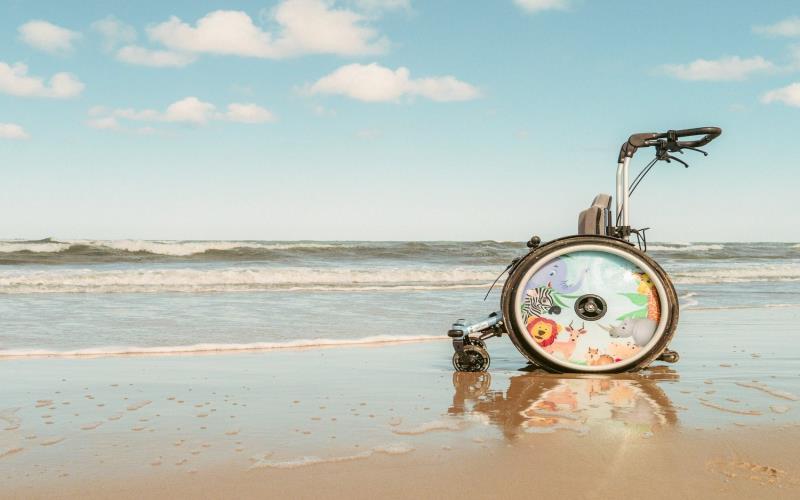
Disabilities encompass a broad spectrum of conditions that can affect an individual’s ability to perform everyday activities. These conditions can arise from various factors, including genetic predispositions, environmental influences, and injuries. The World Health Organization (WHO) defines disability as an umbrella term that includes impairments, activity limitations, and participation restrictions.
This definition highlights the multifaceted nature of disabilities, which can manifest in numerous ways and impact individuals differently. Understanding disabilities requires a nuanced approach that considers not only the medical aspects but also the social and environmental contexts in which individuals live. The conversation surrounding disabilities has evolved significantly over the years.
Historically, individuals with disabilities were often marginalized and faced significant barriers to inclusion in society. However, the disability rights movement has played a crucial role in advocating for the rights and dignity of people with disabilities. This movement has led to increased awareness, legislative changes, and a shift in societal attitudes towards disability.
Today, there is a growing recognition of the importance of accessibility, inclusivity, and the need to accommodate diverse needs within various environments, including workplaces, educational institutions, and public spaces.
Physical Disabilities
Physical disabilities refer to conditions that affect an individual’s mobility or physical functioning. These disabilities can result from congenital conditions, injuries, or diseases that impair the body’s ability to perform tasks such as walking, lifting, or grasping objects. Examples of physical disabilities include spinal cord injuries, amputations, muscular dystrophy, and cerebral palsy.
Each of these conditions presents unique challenges and requires tailored approaches to support individuals in achieving their goals. For instance, individuals with spinal cord injuries may experience varying degrees of paralysis, which can significantly impact their mobility and independence. Rehabilitation programs often focus on occupational therapy and physical therapy to enhance strength and coordination while also addressing psychological aspects such as coping strategies and emotional well-being.
Assistive technologies, such as wheelchairs and adaptive devices, play a vital role in enhancing mobility and enabling individuals with physical disabilities to navigate their environments more effectively. The integration of universal design principles in public spaces further promotes accessibility, allowing individuals with physical disabilities to participate fully in society.
Cognitive Disabilities
Cognitive disabilities encompass a range of conditions that affect an individual’s cognitive functioning, including memory, problem-solving skills, attention, and reasoning abilities. These disabilities can arise from various sources, such as traumatic brain injuries, neurodevelopmental disorders like Down syndrome or autism spectrum disorder (ASD), and degenerative diseases like Alzheimer’s. The impact of cognitive disabilities can vary widely among individuals; some may require significant support in daily activities, while others may lead relatively independent lives with minimal assistance.
For example, individuals with autism spectrum disorder may experience challenges in social communication and interaction. Early intervention programs that focus on developing social skills and communication strategies can significantly improve outcomes for these individuals. Additionally, cognitive disabilities often necessitate tailored educational approaches that accommodate diverse learning styles.
For instance, students with learning disabilities may benefit from individualized education plans (IEPs) that provide specialized instruction and resources to help them succeed academically. The emphasis on inclusive education has gained traction in recent years, promoting environments where students with cognitive disabilities can learn alongside their peers.
Sensory Disabilities
Sensory disabilities involve impairments related to the senses—primarily vision and hearing. Individuals with sensory disabilities may experience partial or complete loss of one or more senses, which can profoundly affect their interactions with the world around them. For instance, blindness or low vision can hinder an individual’s ability to navigate their environment independently, while hearing loss can impede effective communication and social engagement.
In addressing sensory disabilities, assistive technologies have made significant strides in enhancing accessibility. For individuals with visual impairments, tools such as screen readers and Braille displays facilitate access to information and technology. Similarly, those with hearing impairments benefit from hearing aids and cochlear implants that amplify sound or provide direct auditory input.
Moreover, the use of sign language as a primary mode of communication for the deaf community underscores the importance of recognizing diverse communication methods. Public spaces are increasingly incorporating features like tactile paving for the visually impaired and visual alarms for the hearing impaired to create more inclusive environments.
Psychological Disabilities
Psychological disabilities encompass a range of mental health conditions that can affect an individual’s emotional well-being and daily functioning. Conditions such as depression, anxiety disorders, bipolar disorder, and schizophrenia fall under this category. These disabilities can manifest in various ways, impacting an individual’s ability to cope with stressors, maintain relationships, and perform tasks at work or school.
The stigma surrounding psychological disabilities often poses significant barriers to treatment and support. Many individuals may hesitate to seek help due to fear of judgment or discrimination. However, increased awareness of mental health issues has led to a growing recognition of the importance of mental health care as an integral component of overall well-being.
Therapeutic interventions such as cognitive-behavioral therapy (CBT) have proven effective in helping individuals manage symptoms and develop coping strategies. Additionally, workplace initiatives aimed at promoting mental health awareness and providing resources for employees can foster supportive environments that encourage open discussions about mental health.
Developmental Disabilities
Developmental disabilities are a group of conditions that manifest during the developmental period—typically before the age of 22—and result in significant limitations in various areas of functioning. These disabilities include intellectual disabilities, autism spectrum disorders, and other conditions that affect physical or cognitive development. Individuals with developmental disabilities may face challenges in communication, social skills, self-care, and academic achievement.
The importance of early intervention cannot be overstated when it comes to developmental disabilities. Research has shown that early diagnosis and targeted interventions can lead to improved outcomes for children with developmental delays. Programs that focus on speech therapy, occupational therapy, and social skills training can help children develop essential skills needed for daily life.
Furthermore, family support plays a crucial role in the development of children with developmental disabilities; providing resources and education to families empowers them to advocate for their children’s needs effectively. In recent years, there has been a growing emphasis on inclusive practices within educational settings such as sit stand desks and therapy for students with developmental disabilities. Inclusion not only benefits students with disabilities by providing them access to general education curricula but also fosters understanding and acceptance among their peers.
Collaborative efforts between educators, allusamenu, and families are essential in creating supportive learning environments that recognize the strengths and potential of all students. Understanding the diverse landscape of disabilities is crucial for fostering an inclusive society where all individuals have the opportunity to thrive. By recognizing the unique challenges faced by individuals with physical, cognitive, sensory, psychological, and developmental disabilities—and by implementing supportive measures—we can work towards a more equitable world that values diversity and promotes accessibility for everyone.
